


Richmond Park Associates - FZCO is a United Arab Emirates Free Zone Company with limited liability, incorporated pursuant to Law n. 16 of 2021, and registered with the Dubai Silicon Oasis Free Zone.
By Maria Eirini Liodi
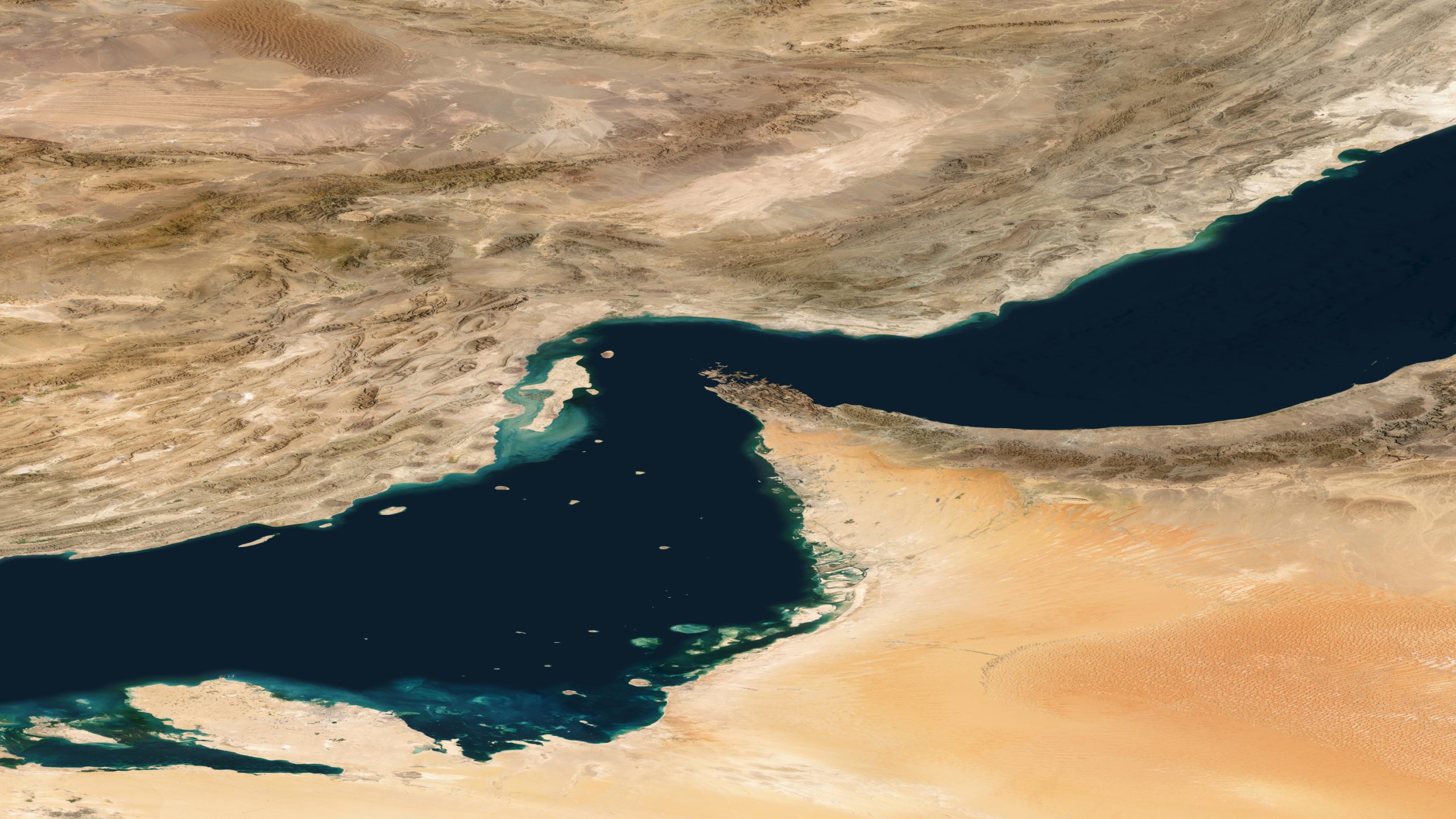
Uncertainty continues to dominate the war-risk market even after the latest indirect U.S.-Iran talks held in Doha on 1 July. The talks, mediated by Qatar and Pakistan, seem to have yielded little concrete progress toward a long-term peace framework. Within this context, market sentiment seems to be oscillating between cautious optimism and continued uncertainty, as vessel activity through the Strait of Hormuz is slowly increasing, but remains well below pre-conflict levels.
The talks came only days after the two countries exchanged fire, triggered by Iran’s targeting of a cargo ship transiting through the Strait. Tehran justified the strike by alleging that the vessel was following an unauthorised transit route, while from the perspective of the United States, such an attack was unjustified, and constituted a clear violation of the agreements under the Memorandum of Understanding signed on 17 June. In response, the U.S. Central Command conducted strikes on multiple surveillance infrastructure and storage facilities in Iran, prompting a series of retaliatory Iranian strikes on key U.S. assets in the region.
Although recent strikes reportedly targeted only military sites in both Kuwait and Bahrain, the continued climate of instability is not inviting the confidence necessary to encourage a return to normal levels of commercial shipping activity. Regional maritime security remains highly sensitive to the geopolitical developments, underscoring the fragility of the current ceasefire.
Alongside that, mine clearance remains another major concern. According to the International Maritime Organisation (IMO), two shipping lanes through the Strait still contain up to 80 mines. This has left willing risk-takers to pass through the Strait traveling either through the waterway route laid out by Iran, or following a route along the Omani coastline.
According to recent ship-tracking data from Lloyd’s List Intelligence, the Strait has seen 258 transits in the week to 28 June, an improvement from the beginning of the conflict, but still far from the pre-conflict levels of 135 voyages a day. It should be noted that at least 20% of the current transits are from Iranian vessels that are eagerly capitalising on the opportunity to trade Iranian oil again following the 14-point agreement’s temporary lifting of U.S. sanctions on Iranian oil via immediate export waivers, pending a 60-day window to negotiate a final peace deal.
At the same time, insurance markets have shown cautious signs of movement toward stabilisation. Hull war premiums have fallen from approximately 5% of vessel value at the height of the crisis to around 2% before discounts, according to brokers cited by the Financial Times. This decline reflects a relatively improved market sentiment following the June ceasefire, though premiums remain elevated relative to pre-conflict conditions. These elevations are to be expected so long as intermittent military clashes persist from both sides.
The coming weeks will likely bring with them decisive developments. Following the funeral proceedings of the Supreme Leader Ali Khamenei scheduled for 4-9 July, a further round of indirect talks is expected to take place. Until greater clarity emerges on the status of sanctions relief, mine clearance, and the durability of the ceasefire and a prospective peace agreement, volatility in the war-risk market is likely to persist.