


Richmond Park Associates FZCO is incorporated in IFZA with registered office at Silicon Oasis, DDP, IFZA Business Park, 25333-001, Dubai (RPA FZCO). Richmond Park Associates Limited is incorporated in Masdar with registered office at Smart Station, First Floor, Incubator Building, Masdar City, Abu Dhabi (RPA Ltd). RPA Ltd is registered with, and regulated by, the UAE Ministry of Justice. Together, RPA FZCO and RPA Ltd comprise the RPA group of companies established in the UAE.
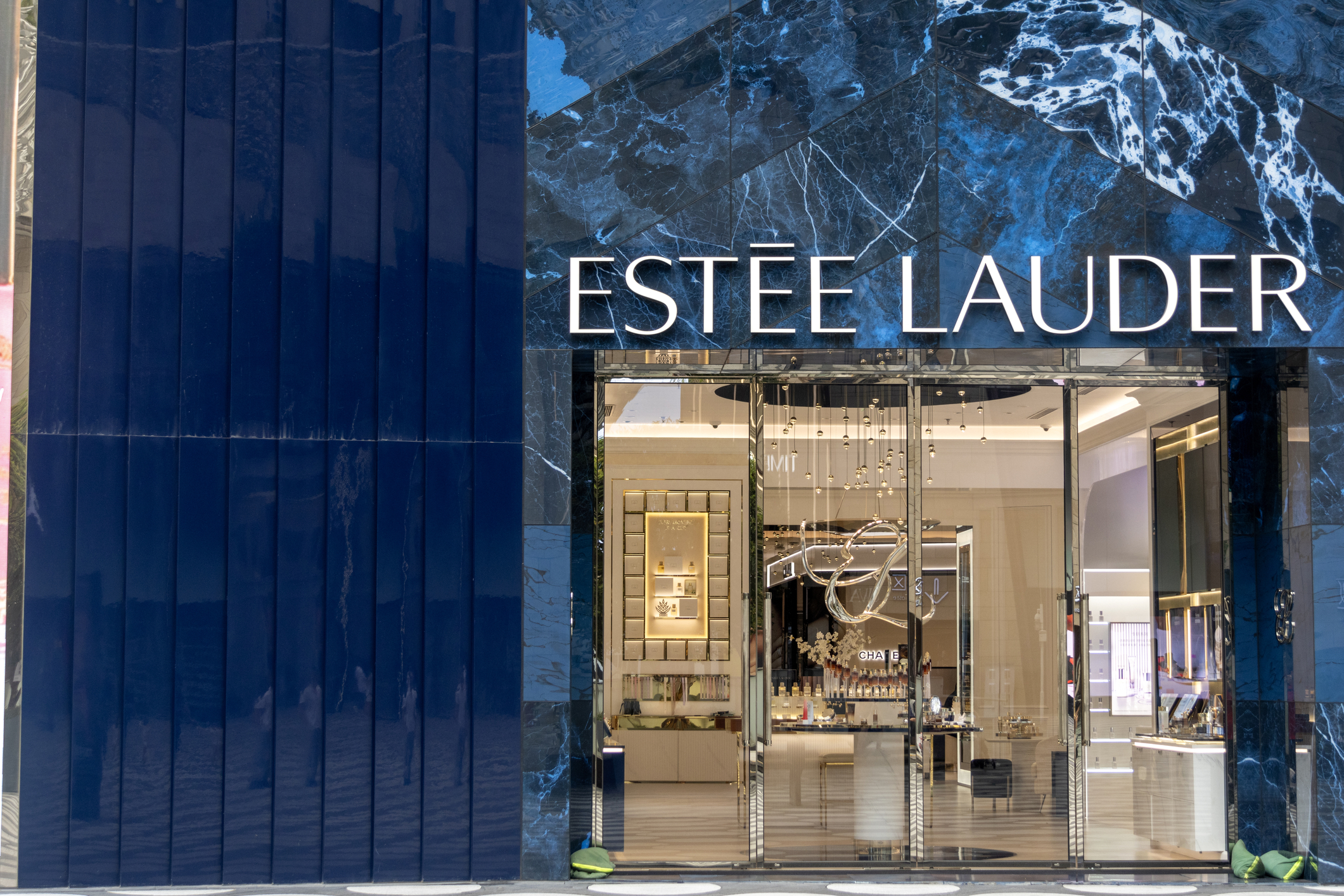
The recent settlement of shareholder litigation involving The Estée Lauder Companies has attracted considerable attention within legal, corporate governance, and investment circles. In May 2026, the company agreed to resolve a securities class action for approximately USD 210 million arising from allegations that investors were not adequately informed about the extent of the company’s dependence on certain Chinese resale channels and the risks associated with those channels. The company denied wrongdoing, and the settlement does not constitute an admission of liability. Nevertheless, the case provides an important opportunity to examine broader developments in securities disclosure obligations and investor due diligence.
From a legal perspective, the significance of the dispute extends beyond the cosmetics industry. The proceedings illustrate how modern securities litigation increasingly focuses not on allegations of fabricated financial data, but on questions concerning disclosure quality, business transparency, and the communication of underlying commercial risks. In an era characterised by complex global supply chains, geopolitical uncertainty, and rapidly changing regulatory environments, investors and regulators are placing greater emphasis on the completeness and context of corporate disclosures.
Background to the litigation
The litigation centred on allegations that Estée Lauder had become significantly dependent on the Chinese “daigou” ecosystem and related duty-free sales channels, particularly within Hainan Province. Daigou refers to a grey-market practice through which individuals purchase goods, often luxury products, in one jurisdiction and resell them to consumers in another market. During and after the COVID-19 pandemic, these channels became increasingly important within parts of the luxury retail sector.
Shareholders alleged that the company did not adequately disclose the degree to which its reported commercial performance relied upon these sales mechanisms. According to the claimants, regulatory measures implemented by Chinese authorities disrupted the daigou ecosystem, resulting in material consequences for demand and revenue expectations. The central allegation was not that the company’s financial statements were inaccurate, but that investors were not provided with sufficient information regarding the fragility and sustainability of the underlying revenue drivers.
The litigation survived an attempt by the defendants to have the claim dismissed at an early stage. In allowing the proceedings to continue, the court concluded that the plaintiffs had plausibly identified omissions and potentially misleading statements capable of supporting securities law claims. The subsequent settlement brought the litigation to a close without a judicial determination on liability.
Disclosure obligations beyond financial accuracy
Perhaps the most important legal lesson arising from the case is that securities disclosure obligations increasingly extend beyond the accurate reporting of numerical results.Historically, investors often viewed disclosure through a predominantly accounting-focused lens. The principal concern was whether revenues, profits, liabilities, or other financial metrics had been correctly reported. Contemporary securities litigation demonstrates that this approach is no longer sufficient. Regulatory scrutiny now frequently extends to the narrative framework through which companies explain business performance.
The distinction is significant. A company may accurately report revenue growth while simultaneously creating legal exposure if it fails to disclose material information regarding the source, concentration, or sustainability of that growth. Securities regulation is increasingly concerned with the possibility that investors may be misled not only by false statements but also by incomplete explanations.
This development reflects a broader evolution within disclosure jurisprudence. Courts have repeatedly emphasised that once a company elects to speak on a particular subject, it must do so in a manner that does not render the information materially misleading. The legal risk therefore arises not solely from what is said, but also from what is omitted.
The allegations in the Estée Lauder proceedings illustrate this principle. Investors argued that public disclosures presented an incomplete picture of the company’s commercial position because they did not sufficiently explain the extent to which sales performance depended upon channels vulnerable to regulatory intervention. Whether or not those allegations would ultimately have been proven at trial, the case demonstrates the increasing importance of contextual disclosure.
Concentration risk and the modern investor
The settlement also highlights a broader challenge facing contemporary investors: identifying hidden concentrations of risk within apparently diversified businesses. Traditional due diligence often focuses on financial statements, earnings trends, and market performance. While these remain important, they may not fully reveal operational dependencies that could materially affect future performance. Increasingly, investors must evaluate whether a company’s growth is concentrated within particular jurisdictions, distribution channels, customer segments, or regulatory environments.
In many respects, concentration risk represents one of the defining corporate governance issues of modern capital markets. Businesses operating internationally may appear geographically diversified while remaining heavily exposed to a single regulatory framework or commercial ecosystem. When disruption occurs, the consequences can be substantial.
The Estée Lauder litigation illustrates how channel concentration may generate risks that are not immediately apparent from headline financial results. Revenue figures alone may reveal little about the resilience of the underlying business model. Investors therefore require a deeper understanding of the mechanisms through which revenue is generated and the external factors that may affect those mechanisms.
The growing importance of narrative disclosure
The dispute further reflects the increasing legal significance of narrative disclosure within corporate reporting. Annual reports, earnings calls, investor presentations, and market announcements have become central components of the disclosure landscape. These communications do more than present financial data. They shape market perceptions regarding business strategy, competitive positioning, operational resilience, and future prospects.
As a consequence, narrative disclosures now occupy a critical position within securities litigation. Courts and regulators frequently examine whether management communications accurately reflected known risks and uncertainties at the time they were made. The legal analysis often focuses on the relationship between positive statements concerning performance and any omitted information that may have altered an investor’s understanding of the business.
This trend has important implications for corporate boards and executive teams. Disclosure decisions increasingly require an integrated assessment involving legal, compliance, investor relations, and operational personnel. The objective is not merely to ensure technical accuracy but also to ensure that disclosures present a balanced and sufficiently complete account of material business realities.
Wider implications for corporate governance
Beyond disclosure law, the settlement offers broader lessons concerning corporate governance and risk management. Boards are expected to maintain effective oversight of significant operational risks, particularly where those risks arise from changing regulatory environments. Global businesses frequently operate across multiple jurisdictions with differing legal and political dynamics. Regulatory intervention in one market may rapidly affect performance elsewhere.
The litigation serves as a reminder that governance frameworks must be capable of identifying emerging vulnerabilities before they crystallise into financial or reputational harm. Effective governance requires more than monitoring historical performance. It requires continuous evaluation of the assumptions underlying commercial success.
Investors, meanwhile, are increasingly assessing management credibility as a governance indicator. Transparency regarding business challenges often enhances market confidence, whereas perceptions of selective disclosure can generate substantial litigation and reputational consequences even where no wrongdoing is ultimately established.
Conclusion
The Estée Lauder settlement is significant not because it establishes new legal principles, but because it reinforces existing ones in a contemporary commercial context. The case demonstrates that modern securities risk frequently arises from questions of transparency, narrative framing, and the communication of business vulnerabilities rather than from traditional accounting irregularities alone.
For investors, the lesson is clear. Effective due diligence requires examination not only of financial performance but also of the structural foundations supporting that performance. Revenue growth, market share, and profitability remain important indicators, yet they reveal only part of the picture. Equally important are the underlying drivers of success, the sustainability of those drivers, and the extent to which material risks are clearly communicated to the market.
For companies, the settlement reinforces the continuing importance of comprehensive and balanced disclosure practices. In increasingly complex global markets, transparency has become both a legal obligation and a governance imperative. The organisations best positioned to maintain investor confidence are likely to be those that communicate not only their achievements, but also the risks upon which those achievements may depend.