

Richmond Park Associates - FZCO is a United Arab Emirates Free Zone Company with limited liability, incorporated pursuant to Law n. 16 of 2021, and registered with the Dubai Silicon Oasis Free Zone.
In the space of less than a week, US forces conducted two rounds of strikes inside Iranian territory, with reciprocal Iranian attacks following, targeting those neighbouring states hosting American military assets. The brief US-Iran ceasefire has well and clearly collapsed.
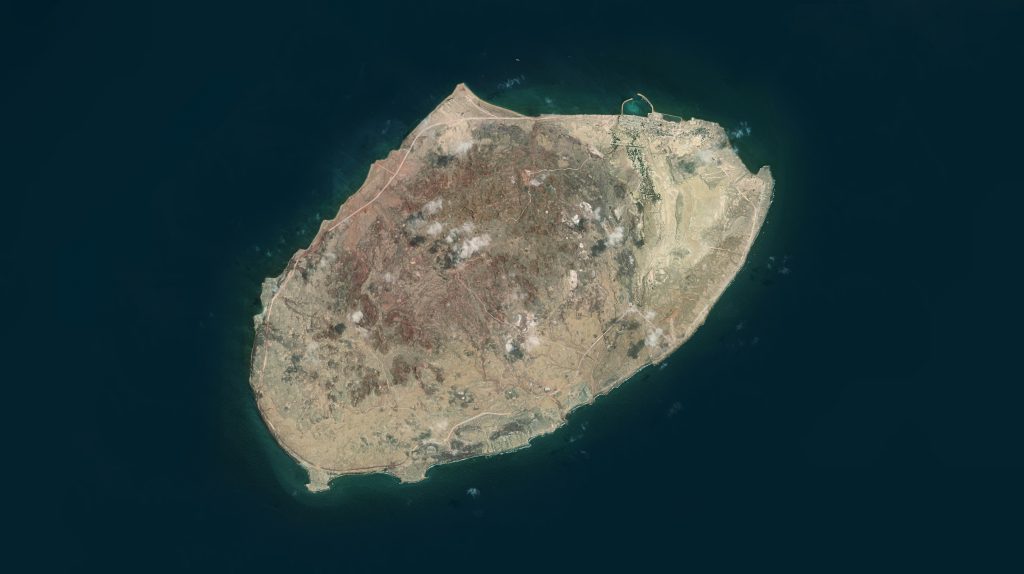
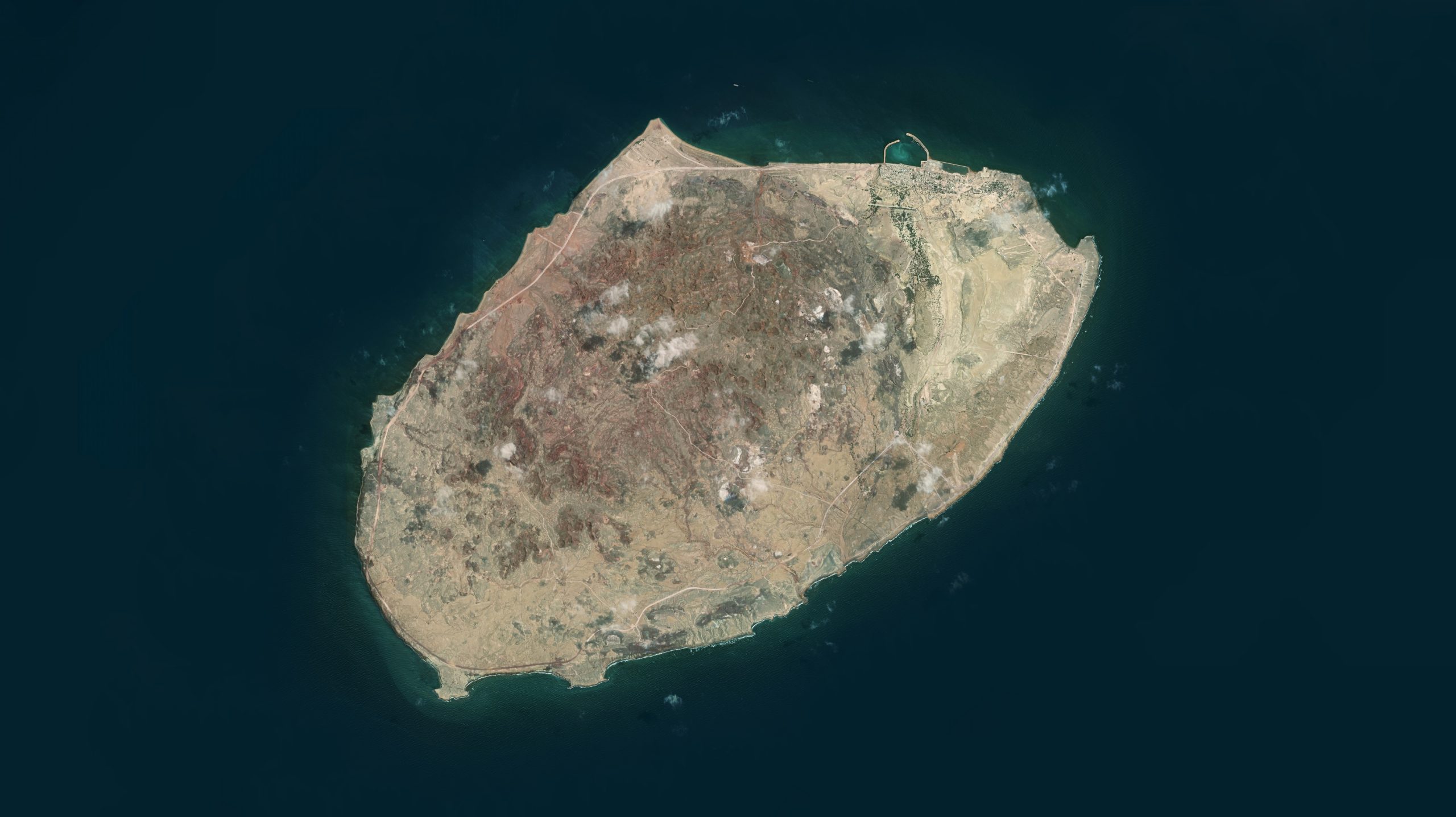
On 30 August, US forces targeted Revolutionary Guard infrastructure on Larak Island (located in the Strait, just offshore from the key Iranian port of Bandar Abbas), marking the first acknowledged strike of American forces on Iranian soil in over a month. The strike is reported to have followed intelligence that Iranian was positioning rockets and sea mines intended for use in the Strait.
Two days later, the US followed the Larak Island strike with a significantly wider one, this time targeting Iranian air-defence systems, radar sites, maritime equipment, mine-laying assets, and communications infrastructure spanning eight locations, including Bandar Abbas, Chabahar, and Kermanshah.
Iran reports civilian deaths and injuries caused in the context of the second strike, offering Tehran a convincing domestic rallying point at a moment when economic pressure is otherwise straining the regime’s grip. The US denies any deliberate civilian targeting, and is stated to be assessing the reported incident.
Iranian retaliation scattered across the Gulf and Middle East, targeting those states it considers facilitators of the US military campaign: Jordanian defences intercepted ten of thirteen incoming ballistic missiles, Bahrain shot down missiles and drones aimed near Sheikh Isa Air Base, Kuwait activated air defences twice within a three-day span, and further north, coalition units intercepted ten drones over Erbil in Iraqi Kurdistan. Iran also claims to have hit American-linked bases in the UAE, although this remains uncorroborated by Abu Dhabi.
Iranian’s scattergun retaliation raises the number of governments with a direct interest in calming the situation. At the same time however, it increases the risk of a single strike going badly wrong and producing mass casualties, which would very likely force faster escalation than any party currently intends.
Persistent violence in the Strait and continued economic strain
A day after the first (renewed) US strike, on 31 August, Iran struck a Saudi-operated tanker near Khasab, killing two crew members as a result. A second vessel also sustained damage from projectile fire in the same area. Washington and Riyadh contend the Saudi-operated supertanker was directly targeted by Iran in retaliation to the preceding US strike on Larak Island, rejecting the Iranian narrative which reports the vessel struck a mine. Iran has also claimed that two more tankers hit mines, although this remains unverified.
The economic damage is persistent and significant.
Tehran has widened its Hormuz blacklist to 56 vessels, and has threatened to add any ship caught cooperating with those already barred. Transit volumes through the Strait sank to roughly 107 vessels in the week of 24-30 August and fell further to around six commodity ships on 2 September, a fraction of pre-conflict norms. Brent crude has responded accordingly, climbing to near USD 95 per barrel by 27 August, a rise of more than 6% since the truce broke down. Washington’s own counter-blockade compounds the squeeze: 86 commercial vessels redirected, 3 disabled, and 2 boarded, with Gulf shipping now being constrained from both directions at once.
A widening conflict
Meanwhile, the Lebanon-Israel border around the Ali al-Taher ridge in southern Lebanon emerges as a second flashpoint, in what is a distinct but linked crisis.
On 2 September, Hezbollah fired two armed drones toward Israeli positions there, with Israel intercepting one and striking back at Hezbollah facilities near Nabatieh. At the same time, ground reports describe artillery exchanges and a limited Israeli advance toward the ridge. Iran is reported to have privately warned that a full Israeli assault on the position (where its own personnel are said to be embedded alongside Hezbollah fighters) would draw a major Iranian response, a claim Washington has publicly disputed.
The diplomatic backdrop
Diplomatic momentum has largely evaporated. President Trump has signalled that continued Iranian attacks will draw much heavier US retaliation and has shown little interest in negotiating a new framework. At the same time, Tehran insists any resumed talks must build on the June Islamabad memorandum. Beijing has floated a revised regional security arrangement and offered maritime support, and Oman continues quiet back-channel efforts. However, with missile exchanges ongoing and Washington holding further options in reserve, nothing points toward de-escalation.
The picture is one of a region sliding from calculated economic pressure to a reactive military cycle. A single high-casualty strike, a hit on critical energy infrastructure, or an Israeli push into Ali al-Taher could tip the confrontation into a much vaster regional war.