


Richmond Park Associates FZCO is incorporated in IFZA with registered office at Silicon Oasis, DDP, IFZA Business Park, 25333-001, Dubai (RPA FZCO). Richmond Park Associates Limited is incorporated in Masdar with registered office at Smart Station, First Floor, Incubator Building, Masdar City, Abu Dhabi (RPA Ltd). RPA Ltd is registered with, and regulated by, the UAE Ministry of Justice. Together, RPA FZCO and RPA Ltd comprise the RPA group of companies established in the UAE.
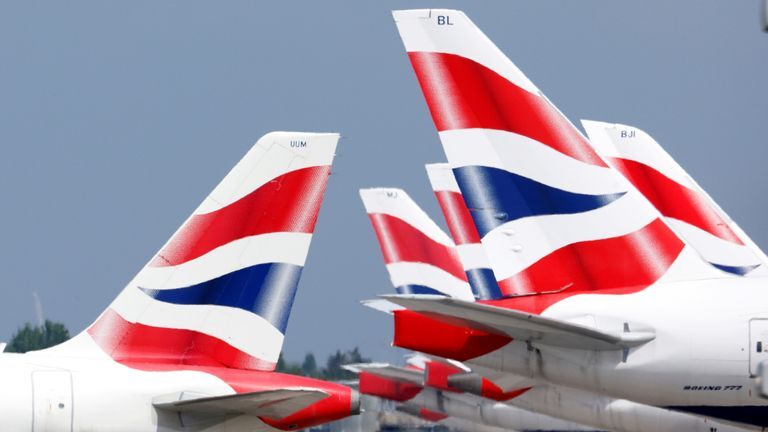
British Airways To Pay Cancelled Flight Claim Over Sick Off-Duty Pilot
In a recent landmark ruling, the European Court of Justice (ECJ) has ordered British Airways to pay compensation to passengers whose flights were cancelled due to the illness of an off-duty pilot. This decision has set a precedent for future cases involving flight cancellations and has significant implications for airlines and passengers alike.
Background of the Case
In 2018, several British Airways flights were cancelled due to the illness of an off-duty pilot. The airline claimed that the cancellation was beyond its control and that it was therefore not liable to pay compensation under EU Regulation 261/2004.
However, a passenger who was affected by the cancellations filed a complaint with the UK Civil Aviation Authority (CAA). The CAA argued that the pilot's illness was not an 'extraordinary circumstance' that would exempt British Airways from its obligation to compensate passengers.
The ECJ Ruling
The ECJ agreed with the CAA and ruled that British Airways was liable to pay compensation to the affected passengers. The court held that the pilot's illness was not an 'extraordinary circumstance' because:
- It is not unusual for pilots to fall ill or become unfit to fly
- British Airways had a duty to plan for such eventualities and to have backup pilots available
- The airline's failure to do so amounted to a breach of its contractual obligations to its passengers
Implications for Airlines
The ECJ's ruling has significant implications for airlines operating in the European Union. It means that airlines can no longer rely on the 'extraordinary circumstance' defense to avoid paying compensation for cancelled flights caused by the illness of off-duty pilots.
Airlines will now need to take steps to ensure that they have adequate staffing levels and contingency plans in place to deal with unexpected events, such as pilot illnesses. This may involve hiring more pilots or entering into agreements with other airlines to provide backup support.
Implications for Passengers
The ECJ's ruling is a significant victory for passengers. It strengthens their rights to compensation and provides greater clarity on what constitutes an 'extraordinary circumstance' that would exempt airlines from their obligation to pay.
Passengers who experience flight cancellations should now be more confident in pursuing compensation claims against airlines. They should be aware that they may not always be entitled to compensation, but they should not be afraid to seek legal advice if they believe their rights have been violated.
Conclusion
The ECJ's ruling on the British Airways case is a landmark decision that has clarified the rights of passengers and the obligations of airlines in the event of flight cancellations. Airlines will now need to take steps to ensure that they have adequate staffing and contingency plans in place, while passengers will have greater confidence in pursuing compensation claims. This ruling has created a more balanced relationship between airlines and passengers, and it will help to ensure that passengers receive fair treatment in the event of flight disruptions.